Trump Midterm Crisis: Can He Save Republicans From Defeat?
Sign up for our free newsletter
Subscribe to the America Report Updates to have our top stories delivered directly to your inbox.
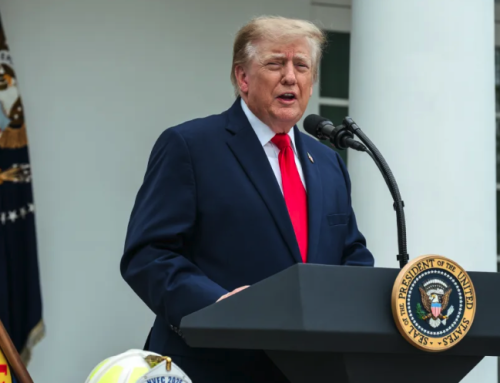
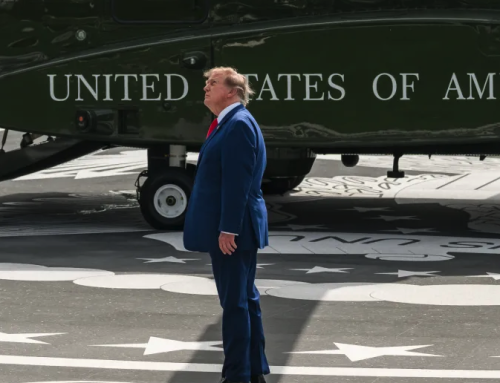
Trump Midterm Crisis Deepens Before Election Day. President Donald Trump (80) is racing across America aboard Air Force One as the November 3 midterm elections approach. What began as a battle for control of Congress has increasingly become a referendum on his presidency. With Republicans defending their majorities and voters expressing frustration over the economy, the president is deploying an extraordinary combination of financial promises, apocalyptic warnings and multimillion-dollar advertising campaigns.
The Trump midterm crisis is reflected in recent polling. According to CNN, only 32% of Americans approve of Trump’s performance, while 67% disapprove. Election forecasting models also show serious challenges for Republicans. Decision Desk HQ recently estimated Democrats’ chances of capturing the House at 78% and the Senate at 56%, although projections vary between organizations.
Trump Promises $5,000 if Republicans Win
The president’s campaign strategy has become increasingly transactional. Trump has promised Americans a $5,000 dividend if Republicans retain control of Congress, presenting the payments as a reward for supporting his party. However, distributing that amount to every adult citizen could cost more than $1 trillion and would require congressional approval. No clear financing mechanism has been established, particularly with America’s national debt exceeding $40 trillion.
In North Carolina, Trump went further by linking compensation for victims of contaminated drinking water at Camp Lejeune to Republican victories. “If we don’t win, there’s no money. If we do win, you’re getting it,” he told supporters. Critics accused him of treating government obligations as political bargaining chips. Trump has also linked a proposed $100 million pharmaceutical investment in Kentucky to the outcome of the elections.
Supporters argue that these promises illustrate the benefits of Republican leadership. Critics question whether conditioning government assistance on election outcomes crosses the line between campaigning and abusing presidential power.
Warnings of Economic Collapse and Burning Cities
Trump has simultaneously intensified his warnings about Democratic control of Congress. During a rally in Kansas, he pointed to violent demonstrations in France and suggested that similar destruction would spread across America if Democrats prevailed.
He has also predicted an economic collapse comparable to the Great Depression of 1929, accused Democrats of wanting to destroy Western civilization and claimed they would open America’s borders to criminals and confiscate firearms.
Many of these claims exaggerate or misrepresent Democratic positions. Furthermore, Democrats winning Congress would not automatically produce the consequences Trump describes. He would remain president, retaining executive authority and veto powers.
Musk and MAGA Pour Millions Into Election
Republicans are also relying on enormous financial resources. Trump’s leading super PAC, MAGA Inc., has deployed approximately $277 million during the final campaign stretch, targeting competitive congressional races.
Billionaire Elon Musk (55) has contributed approximately $366 million during the election cycle, according to campaign-finance reporting. Political advertising spending nationwide is projected to reach record levels.
Yet the spending comes amid economic frustration. The Iran war has increased pressure on energy markets, while high living costs continue to affect American families. Trump’s aggressive immigration enforcement policies, controversial Washington construction projects and allegations of conflicts of interest have also generated criticism.
Is Trump’s Political Influence Fading?
For Republican candidates, Trump’s presence presents a political dilemma. His rallies energize loyal MAGA supporters, but his low approval ratings create challenges among independent and moderate voters.
Democrats are attempting to capitalize on dissatisfaction with the administration, emphasizing affordability, healthcare and concerns about Trump’s governing style. Republicans counter that their policies offer stronger border security, economic growth and national stability.
Control of Congress will shape the remainder of Trump’s presidency. A Democratic majority in either chamber could obstruct legislation and intensify oversight of the White House.
With Election Day approaching, Trump has placed himself at the center of the campaign. The central question is whether his promises, warnings and enormous financial backing will translate into Republican votes. On November 3, Americans will deliver their verdict on the balance of power in Washington — and provide an important measure of Trump’s political standing.